Newsroom

What is An AQG?
(Absolute Quantum Gravimeter)
An Absolute Quantum Gravimeter (AQG) is an industry-grade scientific instrument designed to measure the local acceleration of gravity with extreme precision, stability, and repeatability. Unlike relative gravimeters that track variations in gravity from a baseline over time using mechanical springs, an AQG provides an absolute numerical value by monitoring the effects of gravity on a microscopic scale.
Its primary purpose is is to detect minute subsurface density variations caused by geological, hydrological, or structural changes. These quantum sensors allow decision-makers to track underground mass displacements continuously over time scales spanning from a few seconds to several years, making them invaluable for field tracking and structural monitoring.
HOW aN AQG Works
An AQG replaces traditional mechanical test masses with a cloud of gas atoms trapped inside a vacuum chamber. The device operates through three main logical steps:
Laser Cooling and Trapping
A cloud of neutral atoms (typically rubidium) is isolated within a vacuum dropping chamber. Using highly stabilized lasers, the atoms are cooled down to temperatures close to absolute zero. This extreme cooling slows the atoms down, transforming them into a well-controlled, macroscopic quantum test mass.
The Ballistic Free-Fall
The magnetic trap is turned off, allowing the cloud of cold atoms to drop under the sole influence of gravity. As the atoms fall, a series of precisely timed laser pulses are fired at the cloud. This process acts as an atom interferometer, splitting, redirecting, and recombining the quantum wave functions of the falling atoms.
Phase Shift Measurement
The acceleration of gravity induces a quantum phase shift in the atomic wave packets. By using advanced photonics components to read out the population of the atoms at the end of the fall, the system calculates the exact acceleration of gravity with total absolute accuracy, completely free from mechanical drift or wear.
What are the APPLICATIONS using AQG?

Hydrology
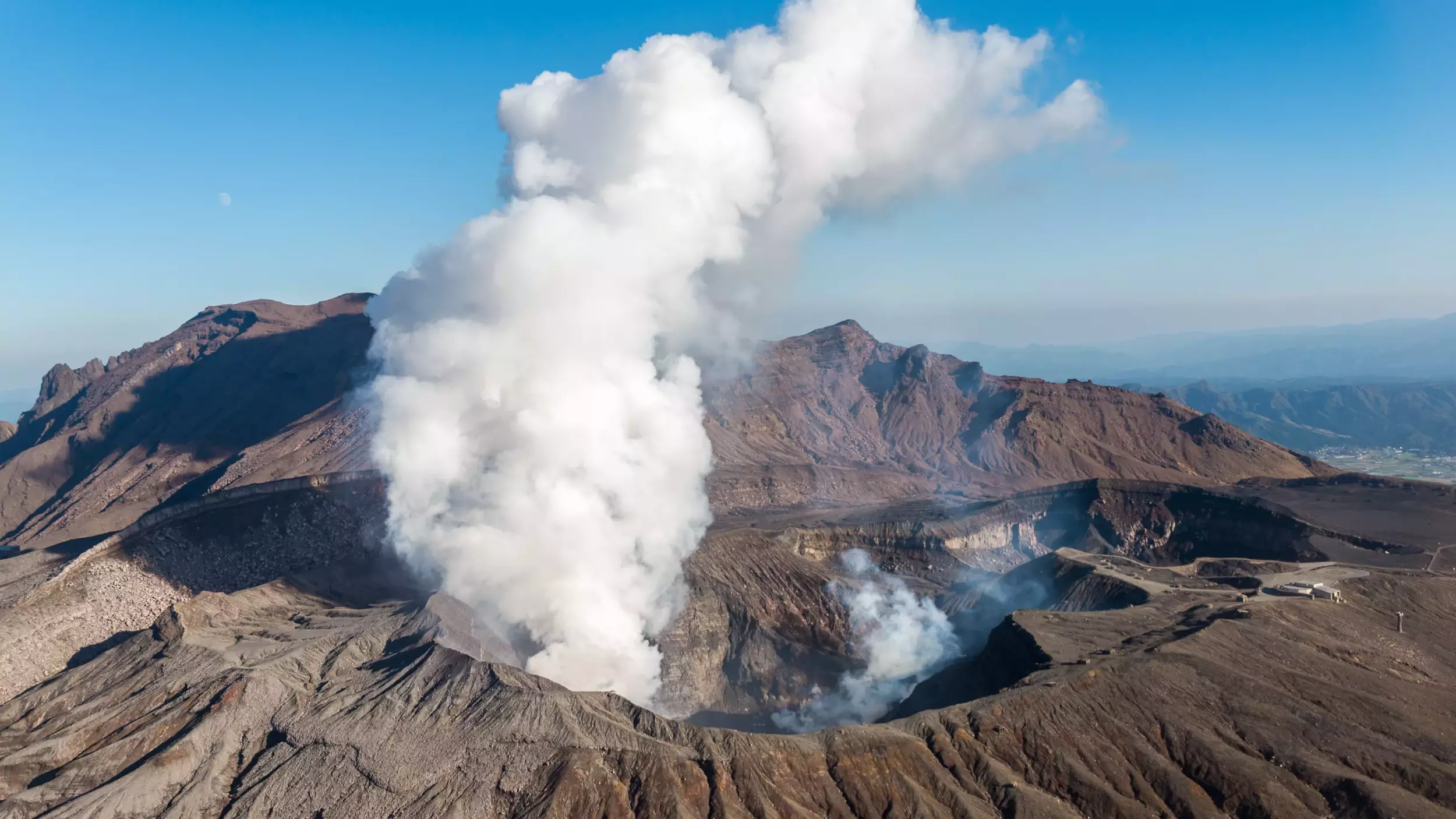
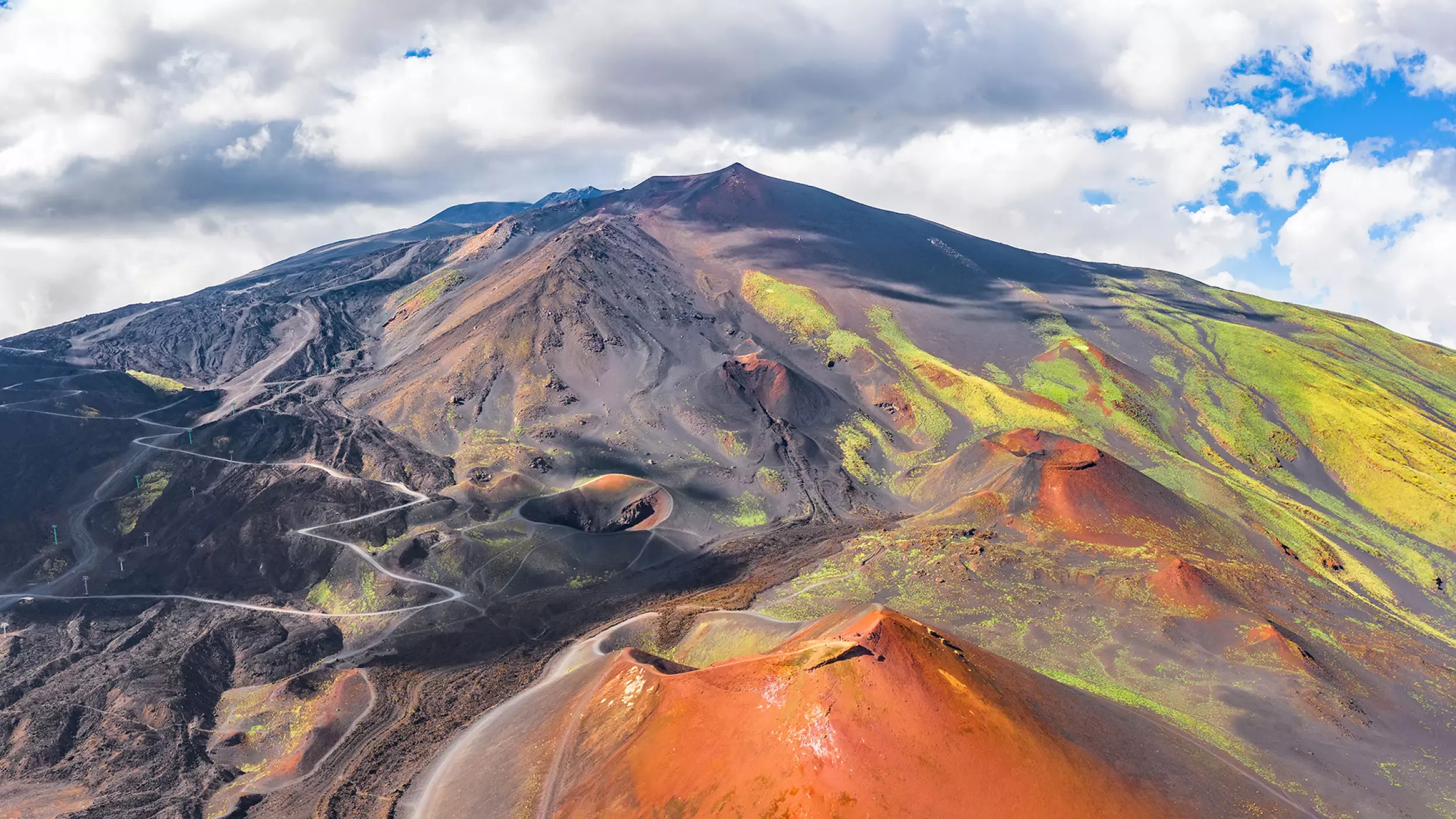
Volcanology
Natural Resources