Newsroom

What is Laser Communication?
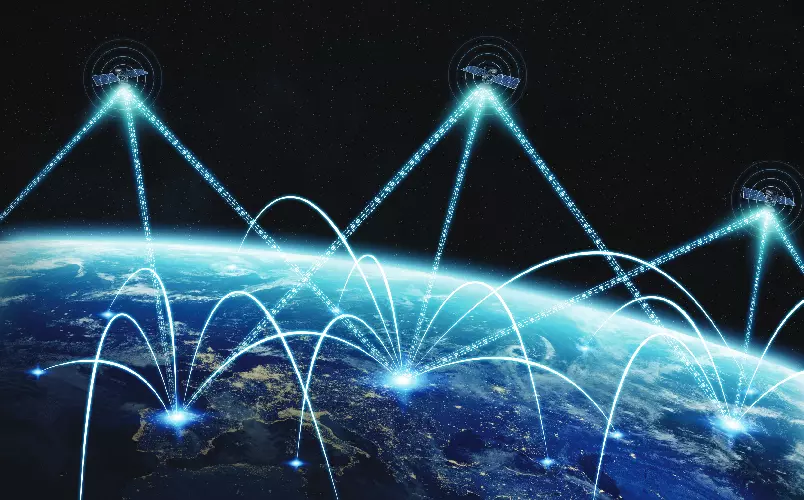
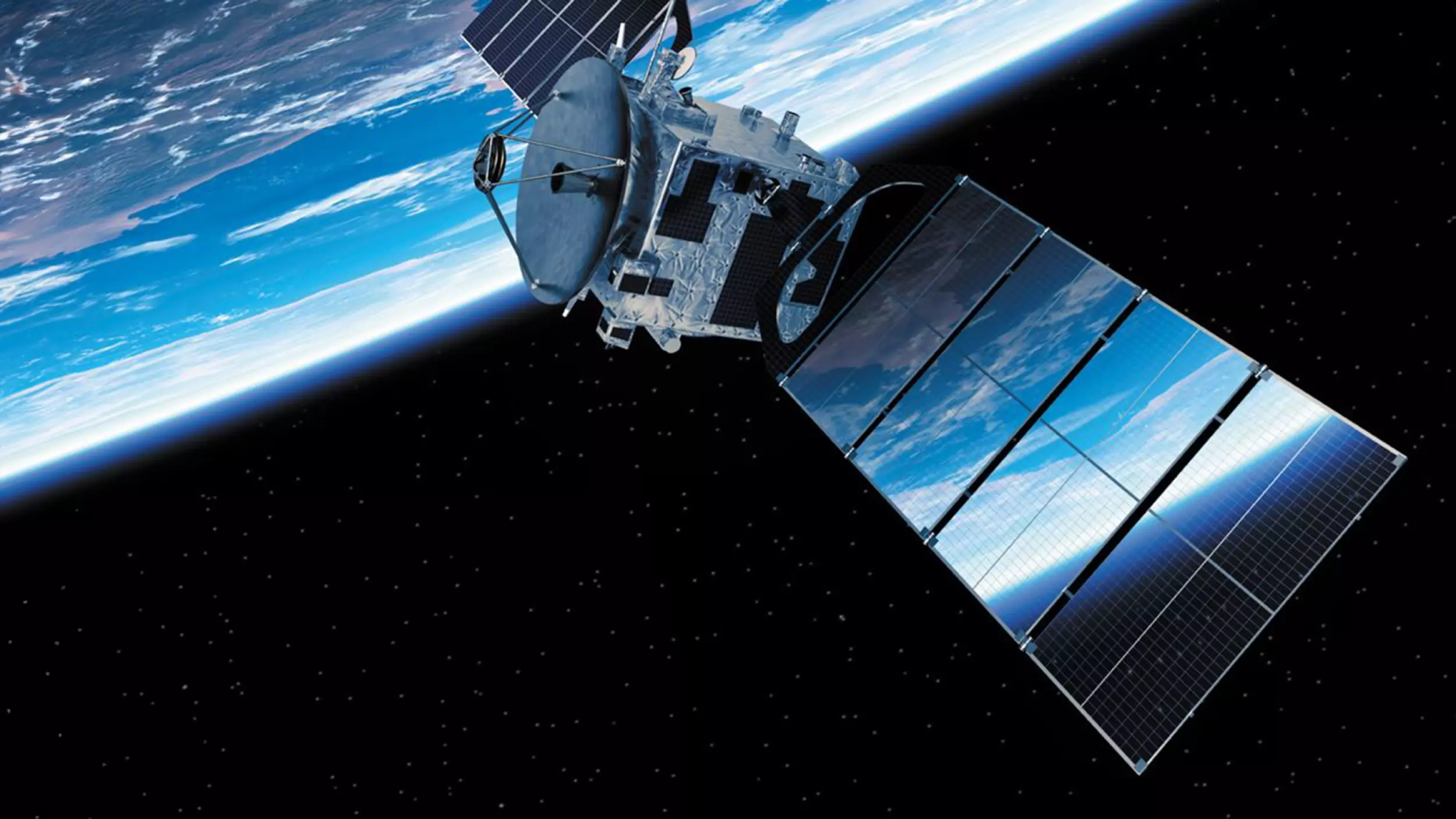
Laser communication is an optical communication technology that uses laser beams to transmit data through free space or optical systems. Unlike traditional radio-frequency communication, laser communication relies on highly focused optical signals to transfer large amounts of information with high speed, low latency, and increased security.
Its primary purpose is to provide high-capacity data transmission where conventional communication technologies face limitations, particularly for space, aerospace, and defense applications. By using narrow laser beams at optical wavelengths, laser communication enables significantly higher bandwidth, reduced size and weight of communication terminals, and improved resistance to electromagnetic interference. This technology is becoming a key enabler for next-generation satellite networks, inter-satellite links, airborne platforms, and secure optical communication infrastructures.
HOW Laser Communication Works
Laser communication relies on the generation, modulation, transmission, and detection of optical signals. The process can be divided into three main steps.
Optical Signal Generation and Modulation
A stable laser source generates an optical carrier that is modulated to encode digital information. Electro-optic components such as Mach-Zehnder modulators or IQ modulators precisely control the amplitude, phase, or polarization of the laser beam to create high-speed data streams.
Free-Space or Fiber Optical Transmission
The modulated laser beam is transmitted through an optical path, either through optical fibers or directly through the atmosphere and space. High-precision pointing, acquisition, and tracking systems maintain alignment between transmitting and receiving terminals, even over very long distances.
Optical Signal Reception and Processing
A photodetector receives the incoming laser signal and converts the optical information back into electrical data. Advanced coherent detection and signal processing techniques improve sensitivity, compensate for atmospheric disturbances, and maximize communication performance.